
umemoto V. Westchester
The Westchester County Police Department operates a mass surveillance system of roughly 575 automated license plate readers (ALPRs) to conduct unlawful, indiscriminate surveillance of Westchester drivers.
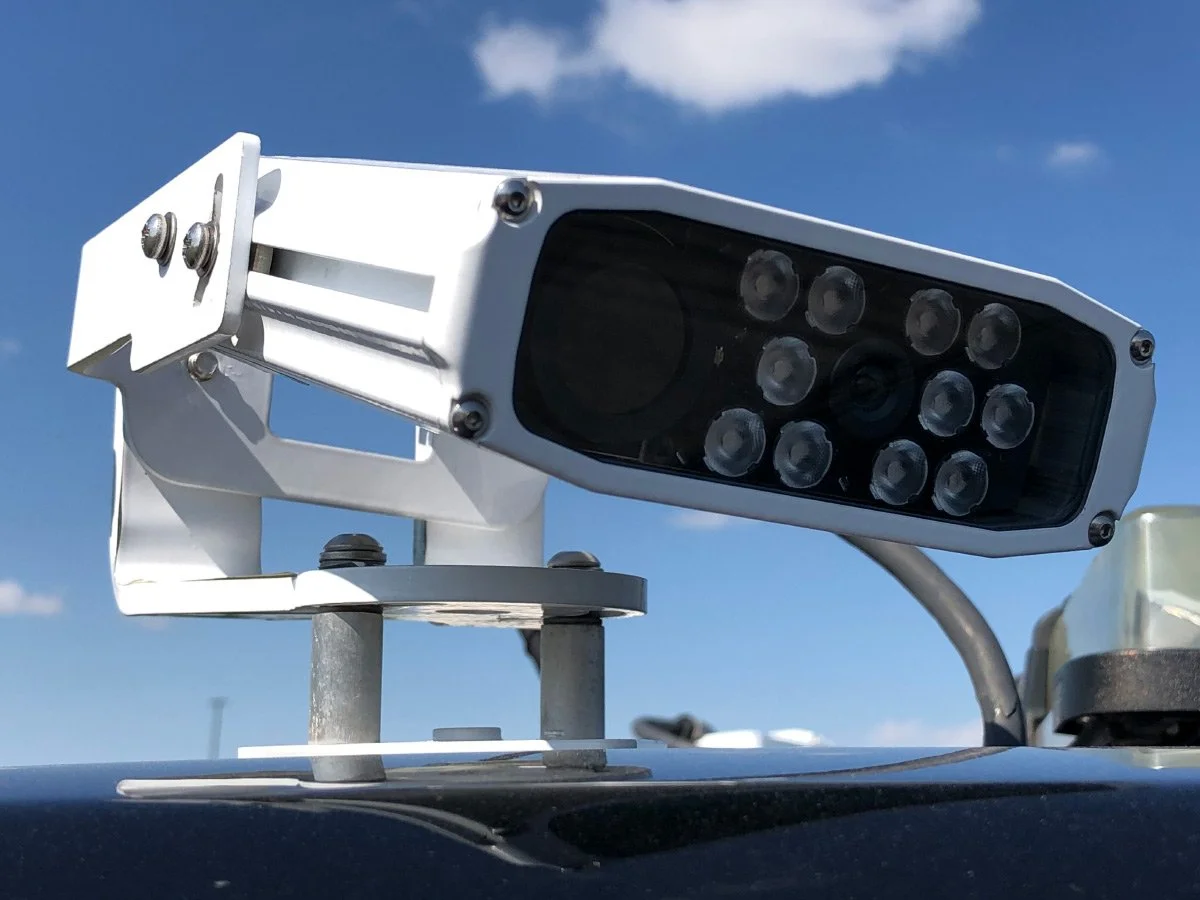
Each ALPR camera captures high-quality images and videos containing details about every passing vehicle, from license plate numbers to information like whether the car has bumper stickers or a roof rack. WCPD then stores this data for at least two years in a centralized, searchable database that is enabled with powerful artificial intelligence.
According to records obtained through public records requests, WCPD collected 264,303,687 vehicle reads in 2024 alone. In 2023, WCPD estimated that its database contained approximately 1.6 billion vehicle reads.
Using AI-powered tools, WCPD officers can track and reconstruct Westchester drivers’ movements and obtain deeply personal information including where they live and work, whom they visit, and when they travel to sensitive locations such as lawyers’ offices, medical providers, protests, houses of worship, and immigration-related appointments.
WCPD operates this surveillance system without any guardrails. There are no statutes or regulations that authorize the program or provide oversight over how it may be used. WCPD does not require any degree of suspicion before officers can comb through two years’ worth of a person’s movements, and officers conduct searches of the database without a warrant. WCPD does not even provide officers with meaningful written guidance or training materials on permissible use of the database.
Troublingly, WCPD shares access to its ALPR data with users from at least 55 different local, state, and federal law enforcement agencies – including the Federal Bureau of Investigation, Drug Enforcement Administration, and Immigrations and Customs Enforcement.
Umemoto v. Westchester alleges that WCPD’s use of this unauthorized mass surveillance program is unlawful because 1.) it violates the plaintiffs’ rights under the New York State Constitution’s protection against unreasonable searches and 2.) the program has not been authorized by the legislature, so WCPD is acting beyond its authority as an executive agency.
LEGAL DOCUMENTS
Press MATERIALS
Press Coverage
Motorists Sue Westchester County Over 1.6 Billion License Plate Reads
Associated Press
Lawsuit Challenges Westchester Police’s Vast Vehicle Surveillance Network
The Examiner News